
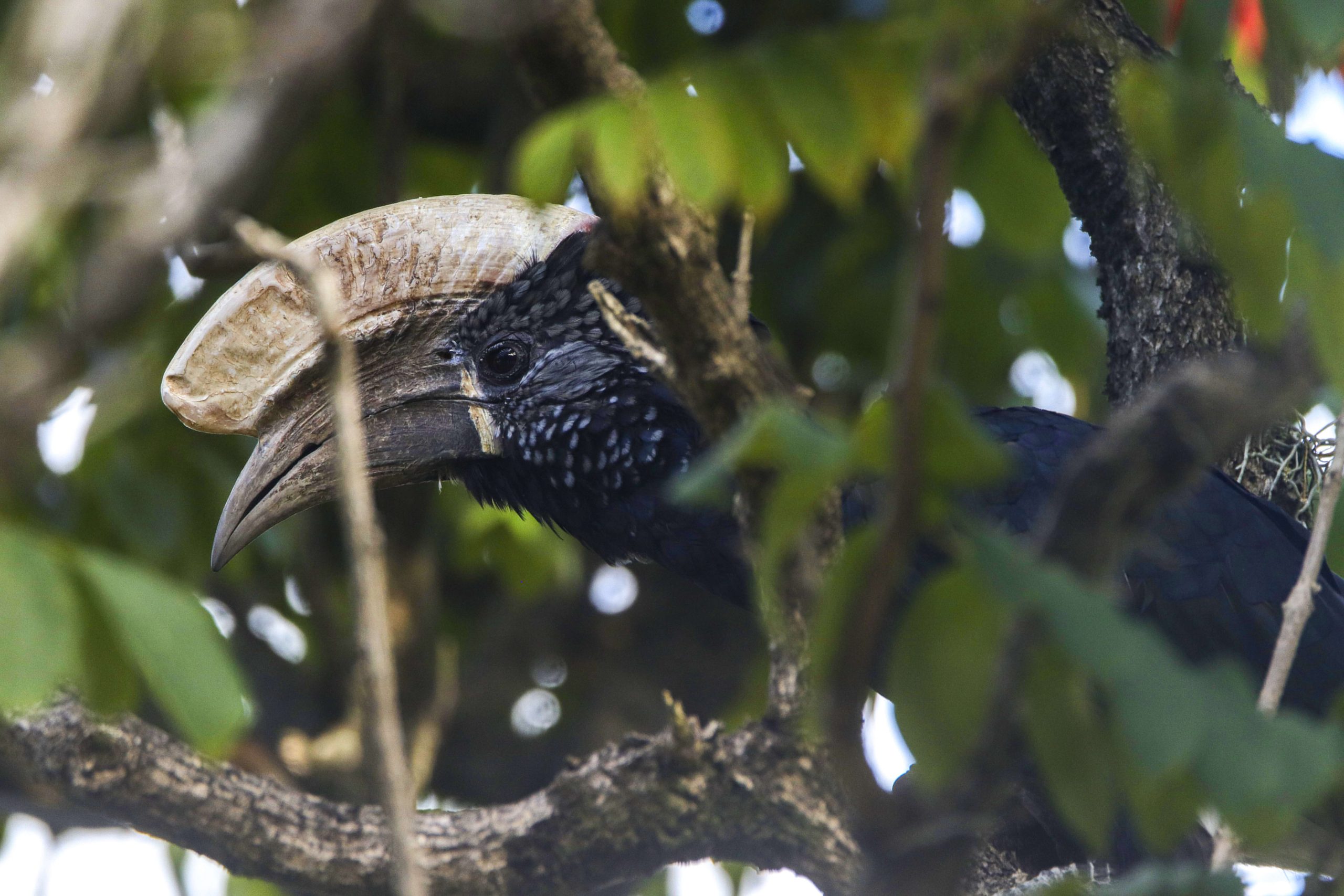
Discover top birdwatching spots, rare endemic species (like Swynnerton’s Robin), and the best times to visit the Chimanimani UNESCO Biosphere Reserve in Zimbabwe.
Written by Bernard Chiketo (bio at bottom)
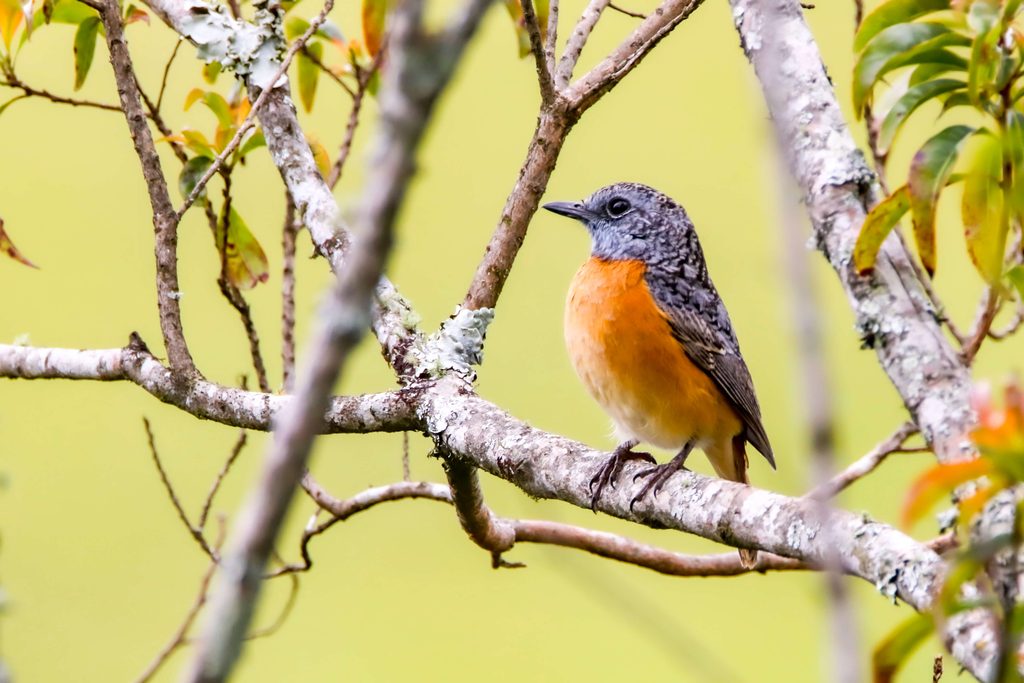
Chimanimani Birdwatching Guide
| Key Info | Details |
| Location | Chimanimani Range, Eastern Highlands, Zimbabwe |
| Status | UNESCO Biosphere Reserve & Important Bird Area (IBA) |
| Top Rare Species | Swynnerton’s Robin, Chirinda Apalis, Blue Swallow, Gurney’s Sugarbird |
| Best Season | November – April (Peak activity & migratory birds) |
| Highest Point | Mount Binga (2,437 metres) |
| Recommended Base | Heaven Lodge, Chimanimani Village |
Birdwatching in Chimanimani’s Eastern Highlands
Chimanimani is unlike anywhere else in Zimbabwe. On June 15, 2022, it became the country’s second UNESCO Biosphere Reserve, after the Middle Zambezi Biosphere Reserve, recognising not simply a landscape but a living experiment: that people and nature can continue to thrive together in one of southern Africa’s richest mountain ecosystems.
This is no single protected area. It is an entire landscape where communities, forests, farms, and wilderness coexist in the shadow of some of the oldest mountains on the continent. The Chimanimani massif forms the southernmost reach of the Eastern Afromontane chain—an ecological spine stretching from Zimbabwe’s Eastern Highlands through East Africa to Ethiopia, some 2,500 kilometres away.
Within Zimbabwe, these mountains run for roughly 300 kilometres along the frontier with Mozambique. The quartzite peaks of Chimanimani culminate at Mount Binga, the country’s second-highest point at 2,437 metres and exposure of the Gondwana surface. The geology is ancient and unforgiving. Thin, nutrient-poor soils have produced an extraordinary concentration of specialised plants found nowhere else, while steep gradients compress several distinct ecosystems within remarkably short distances.
Montane grasslands spill across exposed plateaus before giving way to rocky escarpments and moist Afromontane forest tucked into sheltered ravines. Towering forest milkberry and lemonwood dominate these cool, mist-laden refuges, while miombo woodland, interspersed with wild loquat, clothes the lower slopes.
Few places illustrate ecological transition so dramatically. Within a short walk, one can pass from sun-baked rock to dripping forest, from wide-open vistas to the hushed green of a closed canopy.
For birdwatchers, those transitions are the mountain’s greatest gift. Chimanimani is recognised as an Important Bird Area (IBA), supporting an exceptional concentration of Afromontane specialists alongside species associated with miombo woodland and montane grassland.
“My father, a forester who knew these mountains as intimately as anyone, taught me that the finest things are rarely won easily. Chimanimani’s birds continue to prove him right.”
At the heart of the reserve lies the town of Chimanimani itself—referred to locally as the village. Sitting beneath Pork Pie Mountain and facing the gleaming quartzite walls of the Chimanimani range, it provides a welcoming gateway to one of Africa’s most rewarding mountain landscapes.
Top Bird Species to Spot in Chimanimani
Few birding destinations in southern Africa boast such a remarkable collection of sought-after species.
Swynnerton’s Robin (Vulnerable): A shy inhabitant of moist Afromontane forest whose preference for dense undergrowth means it is more often heard than seen.
Chirinda Apalis (Vulnerable): An Eastern Highlands near-endemic that moves restlessly through the forest canopy.
Blue Swallow (Vulnerable): Offers a striking contrast during the breeding season as it skims low across montane grasslands and vleis, its iridescent blue plumage flashing against the emerald slopes.
Gurney’s Sugarbird (Near Threatened): Found where proteas dominate the heathlands, using its long curved bill to feed on nectar.
Important IBA Triggers: The Taita Falcon, Southern Banded Snake Eagle, and Scarce Swift patrolling the higher skies.
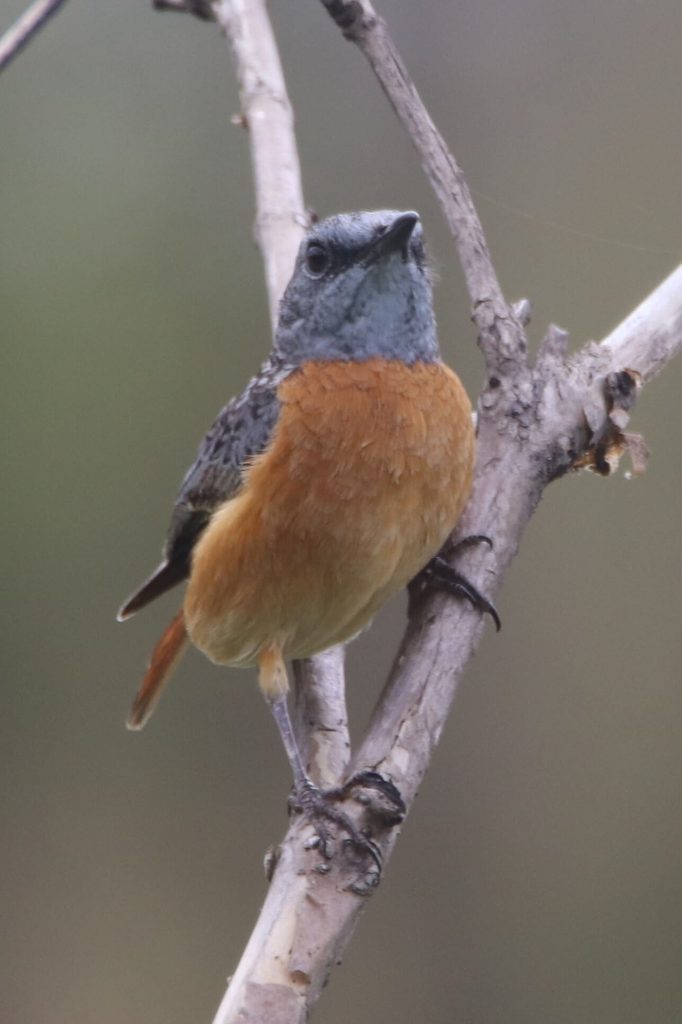
Miombo Woodland Specials: Miombo Rock Thrush, Miombo Tit, and Rufous-bellied Tit.
Forest Canopy & Understorey Stars: Pockets around Tessa’s Pool regularly produce Livingstone’s Turaco, Orange Ground Thrush, White-starred Robin, and Roberts’s Warbler.
Each species reflects a different chapter in Chimanimani’s ecological story. Finding them is less about completing a checklist than understanding the mountains themselves.
Best Birdwatching Spots & Habitats
Altitude shapes everything in Chimanimani. Between the Rusitu Valley, barely 300 metres above sea level, and the high plateaus above 2,000 metres, several distinct habitats unfold within surprisingly short distances.
1. Lowland Evergreen Rainforest (Haroni–Rusitu Botanical Reserve)
At the lowest elevations lies the Haroni–Rusitu Botanical Reserve—a landscape especially familiar to my mother’s family. Warm, humid conditions support Zimbabwe’s finest example of lowland evergreen rainforest, an extension of the forests that continue eastwards into Mozambique.
This lush habitat supports Livingstone’s Turaco, Orange Ground Thrush, and White-starred Robin. BirdLife International records more than 230 bird species from the Haroni–Rusitu Junction Important Bird Area, including the Barred Long-tailed Cuckoo, Chestnut-fronted Helmet-shrike, and Eastern Bronze-naped Pigeon. Although Swynnerton’s Robin is principally associated with montane forest between 1,200 and 1,700 metres, the Haroni–Rusitu forests remain critical because they are an extension of the low-altitude Mozambican coastal forests with Congo Forest affinities.
2. Afromontane Forests & Miombo Woodlands
Higher up, pockets of Afromontane forest shelter specialists like the Chirinda Apalis, Roberts’s Warbler, White-tailed Crested Flycatcher, and White-starred Robin.
Ascending into the miombo woodland around Bridal Veil Falls, Tessa’s Pool, and the Outward Bound area brings a complete change of cast. Miombo Rock Thrush, Miombo Tit, Rufous-bellied Tit, and Southern Hyliota become characteristic, joined by the Green-backed Honeybird, White-breasted Cuckooshrike, and Miombo Double-collared Sunbird.
3. High-Altitude Montane Grasslands & Escarpments
Above 1,500 metres, montane grasslands and rocky escarpments dominate. Here, Blue Swallows hunt over wetlands while Gurney’s Sugarbird and Malachite Sunbird patrol flowering proteas. Raptors and aerial specialists complete the picture, with Taita Falcon, Verreaux’s Eagle, and Scarce Swift frequently patrolling the cliff edges.
Best Time to Visit & Essential Travel Tips
When to Go
The Wet Season (November to April): Offers Chimanimani at its most vibrant. Migratory species have arrived, forests are lush, and bird activity reaches its annual peak.
The Cool Season (May to August): Presents a clearer hiking experience. Thinned foliage makes resident species easier to locate, and temperate walking conditions allow birders to cover more ground.
Practical Advice: Hire a Local Guide
Perhaps the most important advice is also the simplest: hire a local guide.
Some of Chimanimani’s finest birds do not reveal themselves easily. Swynnerton’s Robin, in particular, remains one of southern Africa’s most challenging forest birds. Local guides understand the mountain’s rhythms, recognising calls, subtle movements, and signs that even experienced visiting birders often overlook.
Where to Stay in Chimanimani
Heaven Lodge provides an excellent base in the village, featuring productive gardens that offer rewarding birding in their own right. Yet the real Chimanimani begins beyond the lodge, on forest trails and mountain paths explored with those who know them best. In these mountains, local knowledge is not merely helpful—it is often the difference between simply walking through the forest and truly seeing it.
Author: Bernard Chiketo
Multimedia journalist and author Bernard Chiketo covers conservation, social issues, and local culture. Raised in the Eastern Highlands by a conservationist father and Ndau mother, he channels his love for Zimbabwe’s landscapes into print and digital storytelling, spending his spare time tracking regional bird species.
Birdlife Zimbabwe provide two Bird checklists for the Chimanimani area, see
- https://www.birdlifezimbabwe.org/chimanimani-national-park/ and
- https://www.birdlifezimbabwe.org/haroni-rusitu/
And give them all the support you can.